
AssaultRower Pro
An athlete-powered air rower with a performance console for a dedicated conditioning space.
$1,519.99
As an Amazon Associate I earn from qualifying purchases. Read our disclosure.
Compare rowing machines by resistance system, rail and handle setup, footprint, storage, controls, and maintenance. Start with user fit and the full length required during a rowing stroke.
An athlete-powered air rower with a performance console for a dedicated conditioning space.
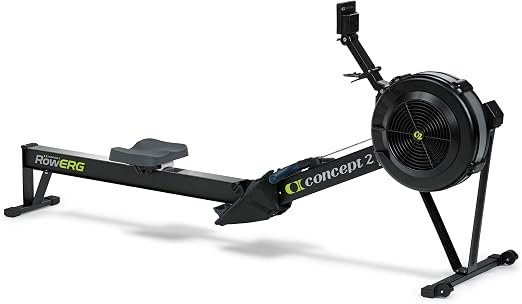
An air-resistance rower for a dedicated training area, with a PM5 monitor for recording pace and workout data.
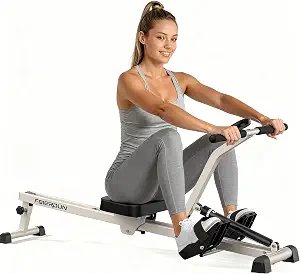
A lightweight hydraulic rower for a smaller exercise area and straightforward resistance adjustment.

A connected electromagnetic rower with a 22-inch screen for guided rowing in a dedicated space.

A narrower connected Hydrow rower in Forest, with a 16-inch screen for instructor-led workouts.

A dual-rail magnetic rower with manual resistance adjustment for a setup that does not need a power outlet.

A dual-rail electromagnetic rower for users who want electronic resistance control and connected workouts.
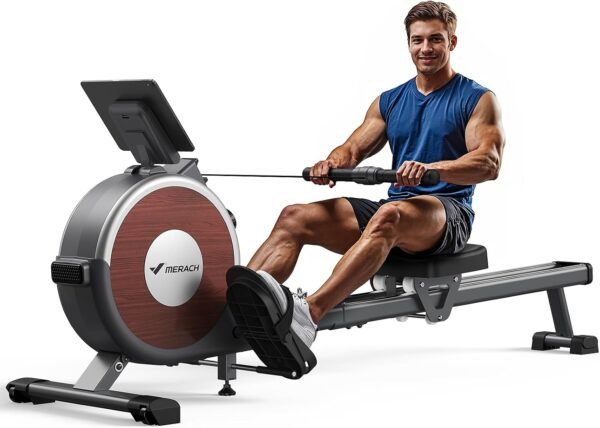
A 16-setting magnetic rower with manual resistance, a battery-powered LCD and dual rails.

A compact magnetic rower with manually selectable resistance and documented upright storage.
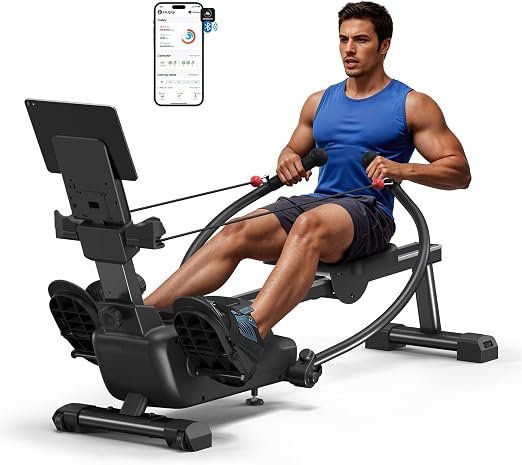
A scull-style magnetic rower with separate arms for users who want more than a single straight-pull handle.

A folding RW600 with a 10-inch touchscreen for connected home rowing.

A connected magnetic rower with a 24-inch pivoting touchscreen for rowing and off-machine classes.
A rowing machine should fit the intended users and the room, with a resistance system and console that match the experience you want at home.
Home rowers may use air, magnetic, water, hydraulic, or combined resistance systems. Each design has its own controls, sound profile, maintenance instructions, and storage considerations. The Concept2 RowErg page explains an air-flywheel option with a damper and a PM5 monitor.
Compare rail length, seat travel, foot adjustments, handle path, and the manufacturer’s user guidance for everyone who plans to use the machine.
Measure the rower at full operating length and leave room to get on, adjust the footrests, and complete the handle movement. Check the ceiling and wall area if the model separates, folds, or stores upright.
Follow the manufacturer’s instructions for moving and storage. Water tanks, chains, straps, rails, and other components can have different care requirements.
| Criterion | What to check |
|---|---|
| Resistance | Air, magnetic, water, hydraulic, combined, or another published system |
| User fit | What rail, seat, footplate, and capacity guidance is provided |
| Home fit | What in-use, moving, and stored dimensions are required |
| Controls | Which metrics, programs, connections, or subscriptions are included |
| Care | What maintenance does the resistance and drive system require |
| Support | What do assembly, parts, warranty, and service terms cover |
Compare how each system creates and adjusts resistance, its sound profile, controls, maintenance, and storage needs. Choose the set of characteristics that fits your room and planned use.
Review the manufacturer’s rail length, seat travel, footplate adjustment, user-height guidance when provided, and stated capacity.
No. Store a rower vertically only when the manufacturer explicitly allows it and provides instructions for securing or separating the machine.
Follow the manual for the exact resistance and drive system. Tasks may involve cleaning the rail, checking straps or chains, caring for a water tank, or inspecting fasteners.