
ATIVAFIT 5-in-1 Folding Exercise Bike, Orange
A compact folding bike for seated pedaling and light band exercises in a shared room.
$159.99
As an Amazon Associate I earn from qualifying purchases. Read our disclosure.
Compare exercise bikes by riding position, fit adjustments, resistance system, footprint, and console features. Start with the bike style that suits your planned use and the people who will ride it.
A compact folding bike for seated pedaling and light band exercises in a shared room.

For indoor cycling intervals and workout tracking with a dedicated performance monitor.

For home users seeking a folding seated-cardio machine with a backrest.
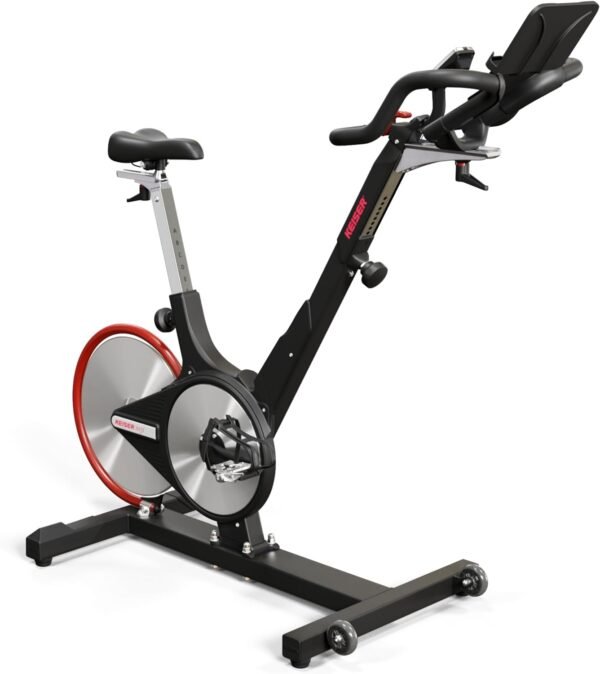
350 lb rider limit · manual magnetic indoor cycle · 51 × 26 × 49 in assembled
View on Amazon View product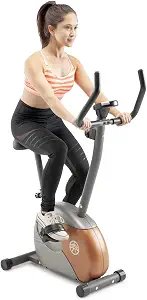
A straightforward upright bike for seated indoor cardio without a built-in class subscription.
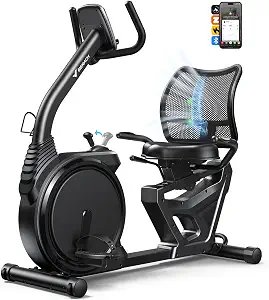
For seated cardio with a mesh backrest and a lever instead of a conventional resistance knob.

For seated cardio where avoiding a wall-power cord is a priority.

A magnetic indoor cycle with manual resistance, an adjustable seat and Bluetooth support for your own workout screen.
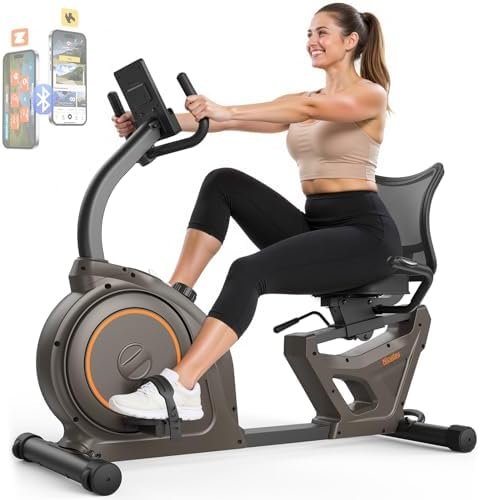
A quiet recumbent bike with manual resistance and a mesh backrest.
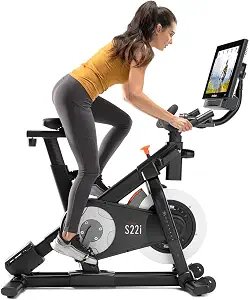
For guided indoor cycling with a large rotating screen and off-bike workout space.
View on Amazon View product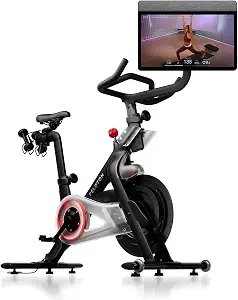
For riders who want Peloton classes on an integrated screen and space for off-bike sessions.

For a small home workout area where one folding machine can offer seated cycling and arm movement.
The main choice is the riding position and adjustment range, followed by resistance, controls, and the space the bike needs in your home.
Indoor cycling bikes, upright bikes, and recumbent bikes use different riding positions and adjustment systems. Compare the published setup range and intended use of each model. The Schwinn 290 profile shows a recumbent layout with a supported seat and built-in workouts.
A compact footprint can help in a smaller room, but the bike still needs clear space for mounting, dismounting, adjustments, and any moving pedals or handles.
If a backrest is essential, compare our recumbent bike shortlist for supported-seat models.
Check that each intended rider can use the published adjustment range. Measure the footprint with enough side clearance to get on and off the bike comfortably.
Confirm access to power when required and consider where a screen, tablet, or phone will sit. Follow the product manual for leveling, adjustment, and routine care.
| Criterion | What to check |
|---|---|
| Bike style | Indoor cycling, upright, recumbent, or another published format |
| Fit | Which seat and handlebar positions can be adjusted |
| Resistance | How resistance is created, changed, and described |
| Controls | Which display, programs, device support, or connections are included |
| Home fit | What footprint, power access, and mounting clearance are required |
| Support | What do assembly, warranty, parts, and service terms cover |
Choose according to the riding position, adjustments, and workouts you plan to use. Compare the manufacturer’s description and fit range for every intended rider.
Review the published seat and handlebar adjustment ranges, pedal setup, and user guidance. If several people will ride it, check the range for each person.
Not always. Some consoles provide basic controls without a subscription, while connected classes or added software may require one. Check what remains available without an ongoing plan.
Measure the full bike footprint, mounting clearance on both sides, ceiling height when relevant, and access to an outlet if the model requires power.